Hiring a General Contractor in Charlotte NC: Essential Questions to Ask
Discover expert tips for hiring a general contractor in Charlotte NC with Rand Street Professional Builders. Call now for a free estimate and clear communication.
Hiring a general contractor in Charlotte NC is one of the most important decisions you will make during a home project. Whether you are planning a new home build, a full renovation, or a room addition, the contractor you choose will shape the timeline, the quality of work, and your peace of mind from first call to final inspection. Rand Street Professional Builders has worked with homeowners across Greater Charlotte since 2004, delivering itemized estimates and clear communication on every job. This guide will walk you through the essential questions to ask before you sign a contract, helping you find a contractor who meets your needs and respects your budget.
Why the Right Questions Matter
A general contractor coordinates every trade, pulls permits, orders materials, and keeps your project on schedule. When you ask the right questions up front, you learn how the contractor operates, what to expect during construction, and whether their process aligns with your priorities. Homeowners in Charlotte, Huntersville, Matthews, Concord, and across Union County rely on contractors who communicate clearly and stand behind their work. The questions below help you evaluate experience, licensing, communication style, and financial transparency before any agreement is signed.
Licensing and Insurance
North Carolina requires general contractors to hold a state license for projects that exceed a specific dollar threshold. Verifying licensing and insurance protects you from liability and confirms that the contractor meets state standards for competency and financial responsibility.
Are You Licensed in North Carolina?
Ask to see the contractor's NC General Contractor License number and confirm it is active through the North Carolina Licensing Board for General Contractors. Rand Street holds NC General Contractor License #79263 and has maintained it continuously since 2004. A valid license demonstrates that the contractor has passed the required exams, maintained proper bonding, and kept their credentials current.
What Insurance Do You Carry?
Request proof of general liability insurance and workers' compensation coverage. General liability protects your property if damage occurs during construction. Workers' compensation covers injuries to crew members on your site. Without these policies, you may be held responsible for accidents or damage. Ask for current certificates of insurance and verify the coverage amounts are appropriate for the scope of your project.
Experience and References
Experience matters, especially for complex projects like new home construction or whole-house renovations. A contractor who has completed similar work in your area brings local knowledge of building codes, permitting processes, and seasonal weather patterns that affect construction schedules.
How Long Have You Been Building in Charlotte?
Longevity indicates stability and a track record of satisfied clients. Rand Street has served Greater Charlotte for more than twenty years, completing projects in neighborhoods from NoDa and Plaza Midwood to Lake Norman communities in Mooresville and Huntersville. A contractor with deep local roots understands the nuances of permitting in Mecklenburg County, Cabarrus County, and beyond.
Can You Provide References from Recent Projects?
Ask for contact information for three to five recent clients whose projects resemble yours in scope and budget. When you speak with references, ask about communication, punctuality, problem solving, and whether the final cost matched the estimate. A reputable contractor will offer references without hesitation and encourage you to visit completed job sites or view their gallery of past work.
Estimates and Pricing
Understanding how a contractor prepares estimates and structures payment is essential to avoiding surprises and budget overruns. Transparency at the estimate stage sets the tone for the entire project.
Do You Provide Itemized Estimates?
An itemized estimate breaks down costs line by line, showing you what you are paying for materials, labor, permits, and subcontractors. Rand Street provides free, itemized estimates on every project, so homeowners can see where the money goes before construction begins. A lump-sum bid without detail makes it difficult to evaluate value or adjust the scope to fit your budget.
What Is Your Payment Schedule?
Ask how payments are structured and when each installment is due. Most contractors require a deposit to secure the schedule and cover initial material orders, followed by progress payments tied to milestones such as foundation completion, framing, or final inspection. Avoid contractors who demand large up-front payments or full payment before work is finished. A fair payment schedule protects both parties and ensures steady cash flow without exposing you to risk.
How Do You Handle Change Orders?
Even well-planned projects encounter changes. Ask how the contractor documents and prices change orders. A professional process includes written descriptions of the change, the cost impact, and the schedule adjustment. Clear change-order procedures prevent disputes and keep the project moving forward when plans evolve.
Communication and Process
Construction projects require coordination among trades, suppliers, inspectors, and homeowners. Effective communication reduces stress and keeps everyone aligned on goals, timelines, and expectations.
How Quickly Do You Respond to Inquiries?
Response time during the estimate phase often reflects how the contractor will communicate during construction. Rand Street responds to all inquiries the same day, ensuring homeowners in Gastonia, Salisbury, and Statesville receive prompt answers when they reach out. Ask how the contractor prefers to communicate, whether by phone, email, or text, and how often you can expect updates during the build.
Who Will Be My Point of Contact?
Clarify who you will speak with day to day. On larger projects, a project manager or site supervisor may handle daily communication while the owner or estimator remains available for budget or scope questions. Knowing your point of contact and their availability prevents confusion and ensures you have a reliable resource when questions arise.
How Do You Handle Permits and Inspections?
Pulling permits and scheduling inspections are part of the contractor's responsibility. Ask whether the contractor will obtain all required permits and coordinate inspections with the local building department. In Charlotte and surrounding municipalities, permit requirements vary by project type and location. A licensed contractor who is familiar with local codes can navigate these requirements efficiently and keep your project compliant.
Timeline and Scheduling
Understanding the project timeline helps you plan around construction and manage expectations. Delays happen, but a contractor with a clear schedule and contingency plans can minimize disruptions.
What Is the Estimated Timeline for My Project?
Ask for a start date and a projected completion date. A realistic timeline accounts for permitting, material lead times, weather, and inspection schedules. For example, a room addition in Matthews may take several weeks from demolition to final trim, while a roof replacement in Winston-Salem might be completed in a few days if weather cooperates. Avoid contractors who promise unusually fast timelines without explaining how they will achieve them.
How Do You Manage Weather Delays?
Charlotte's climate includes hot, humid summers and occasional winter storms. Rain and extreme heat can delay concrete pours, roofing, and exterior framing. Ask how the contractor adjusts the schedule when weather interrupts work and whether you will receive advance notice of changes. Transparent communication about delays builds trust and reduces frustration.
Subcontractors and Trade Partners
General contractors typically hire specialized subcontractors for plumbing, electrical, HVAC, and other trades. The quality and reliability of these subs directly affect the outcome of your project.
Do You Use Subcontractors?
Most general contractors rely on subcontractors for specialized work. Ask which trades will be subcontracted and whether the contractor has established relationships with these partners. Long-term trade relationships often translate to better coordination and accountability.
Are Subcontractors Licensed and Insured?
Verify that subcontractors carry their own licenses and insurance. In North Carolina, electrical and plumbing work must be performed by licensed professionals. A reputable general contractor ensures all subs meet these requirements and coordinates their schedules to keep the project moving efficiently.
Warranty and Post-Construction Support
Understanding what happens after the project is complete helps you plan for maintenance and address any issues that arise once you take occupancy.
What Warranty Do You Offer?
Ask about workmanship warranties and manufacturer warranties on materials. A workmanship warranty covers defects in installation or construction, while manufacturer warranties cover product failures. Clarify the duration of each warranty, what is covered, and how to submit a claim if an issue arises.
How Do You Handle Post-Construction Issues?
Even the best projects occasionally require follow-up. Ask how the contractor addresses concerns after the final payment is made. A contractor who stands behind their work will respond promptly and resolve legitimate issues without dispute.
Specific Questions for Your Project Type
Different projects raise unique considerations. Tailor your questions to the type of work you are planning.
New Home Construction
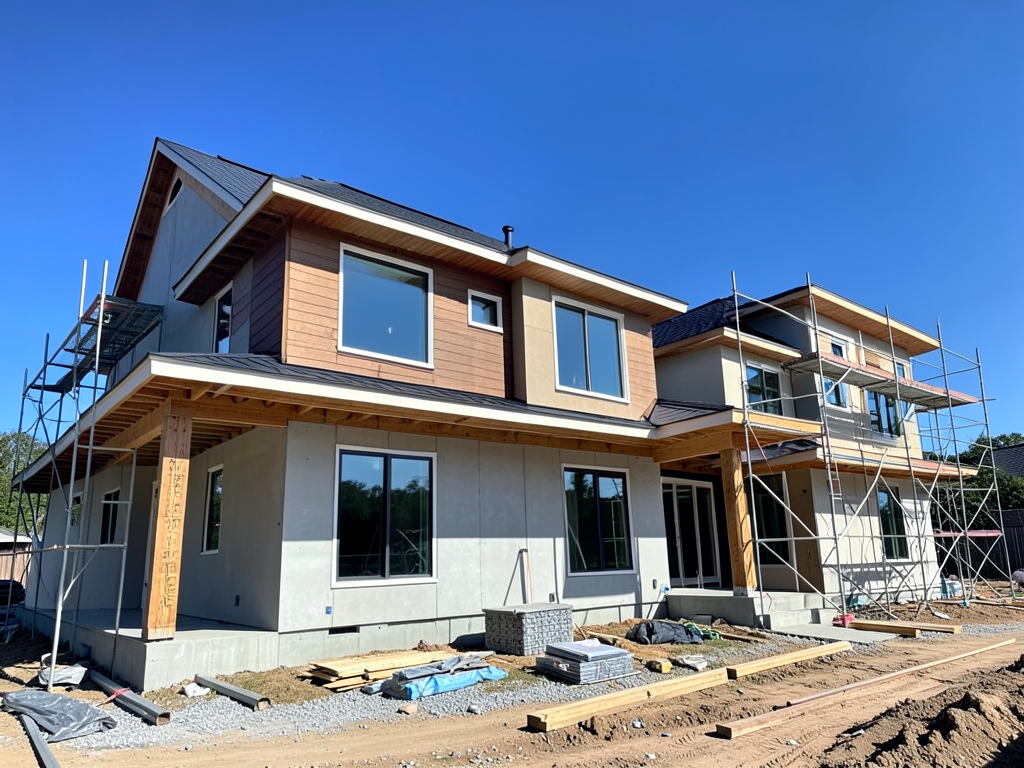
If you are building a new home in Concord or Mooresville, ask about site preparation, foundation options, framing techniques, and energy efficiency upgrades. Inquire about allowances for finishes such as flooring, cabinets, and fixtures, and confirm whether the estimate includes landscaping and final grading. Learn more about the full process on our new home construction page.
Home Renovation
For whole-house or single-room renovations in Greensboro or Salisbury, ask how the contractor protects the rest of your home from dust and debris. Confirm whether you can remain in the house during construction and how the contractor manages utilities, access, and security. Discuss lead paint testing if your home was built before 1978, as federal regulations require safe handling of lead-based materials.
Room Additions
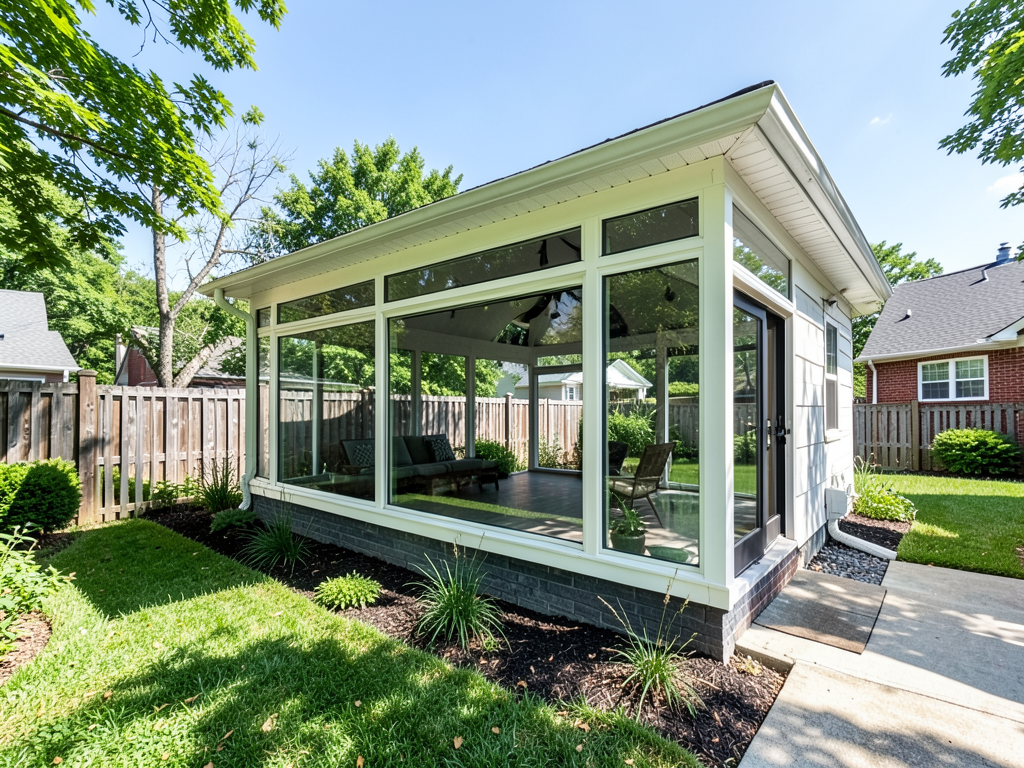
Garage additions, sunrooms, and extra living space require foundation work, roofing, and integration with existing structures. Ask how the contractor will match the new addition to your existing home's exterior and roofline. Confirm whether the estimate includes HVAC extensions, electrical service upgrades, and finish details such as trim and paint.
Roofing
For roof replacements in Charlotte or Gastonia, ask about decking inspection and replacement during tear-off. Inquire about shingle warranties, ventilation upgrades, and cleanup procedures. Confirm whether the contractor will protect landscaping and surrounding surfaces during the project.
Concrete and Hardscaping
Concrete driveways, patios, and retaining walls require proper base preparation and drainage planning. Ask about the thickness of the slab, reinforcement methods, and curing time. If you are considering stamped or decorative concrete, request samples and discuss maintenance requirements.
Decks and Porches
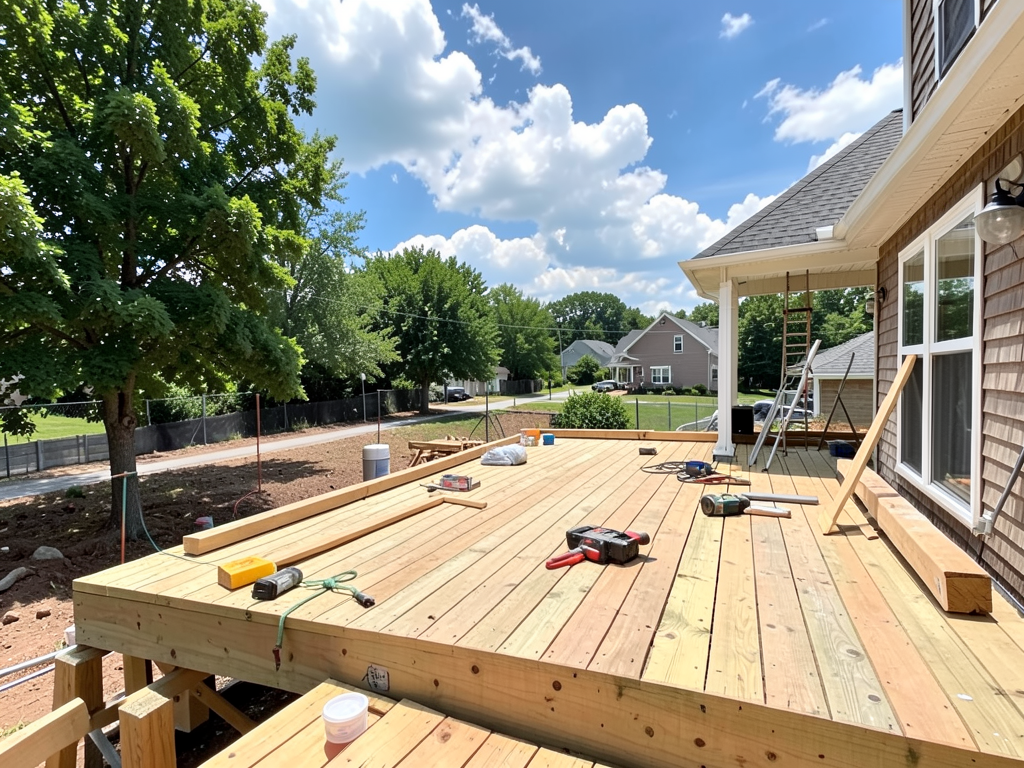
For deck construction or screened porch additions in Huntersville or Matthews, ask about wood species, fastener types, and waterproofing details. Confirm whether the design includes stairs, railings, and electrical outlets. Discuss local code requirements for deck height, railing spacing, and footing depth.
Red Flags to Watch For
Certain warning signs suggest a contractor may not be the right fit. Avoid contractors who refuse to provide references, cannot produce proof of licensing or insurance, or pressure you to sign a contract immediately. Be cautious of bids that are significantly lower than others without clear explanation, as they may indicate shortcuts or hidden costs. A contractor who will not provide a written estimate or who asks for full payment up front should be avoided.
Making Your Decision
After you have interviewed multiple contractors and reviewed their estimates, compare not only price but also communication style, professionalism, and your comfort level with each team. The lowest bid is not always the best value, especially if it comes with vague terms or lacks detail. Choose a contractor who listens to your goals, answers your questions thoroughly, and demonstrates a commitment to quality and transparency.
Start Your Project with Confidence
Asking the right questions before hiring a general contractor in Charlotte NC protects your investment and sets the stage for a successful project. Rand Street Professional Builders offers free, itemized estimates and starts most projects with a virtual walkthrough to understand your goals and your space. Whether you are planning a new home build, a renovation, or an addition, our team is ready to answer your questions and provide the detail you need to make an informed decision. Request your free estimate at https://www.randstreetco.com/book or call (980) 577-3988 Monday through Friday, 10 AM to 5 PM Eastern. We serve homeowners across Greater Charlotte, including Huntersville, Concord, Gastonia, Matthews, Mooresville, Salisbury, Statesville, Union County, Winston-Salem, and Greensboro, and we respond to every inquiry the same day.
Get a Free Estimate
Rand Street Professional Builders serves Charlotte and the wider Greater Charlotte within 1 hour of our office. Call (980) 577-3988 or book online.
Book an Appointment