Planning Summer Outdoor Projects in Charlotte
Learn how Rand Street Professional Builders manages summer outdoor projects in Charlotte to avoid delays and ensure quality. Call us today for a free estimate.
Homeowners across Charlotte, Huntersville and Mooresville know that summer brings more than just heat and humidity. The season also delivers afternoon thunderstorms, intense UV exposure and unpredictable weather that can disrupt outdoor construction timelines. Whether you are planning a new deck, concrete patio or screened porch, understanding how to work around Charlotte's summer conditions can save time, money and frustration. Rand Street Professional Builders has been managing outdoor projects in Greater Charlotte since 2004, and we have learned how to plan around the region's seasonal weather patterns to keep projects on track and deliver quality results.
Why Charlotte Summers Present Unique Challenges for Outdoor Projects
Charlotte sits in the humid subtropical climate zone, which means summers bring high temperatures, frequent afternoon storms and elevated humidity levels. These conditions affect materials, crews and project schedules in ways that differ from spring or fall work.
Heat and Humidity Impact Material Performance
Concrete curing, wood expansion and paint adhesion all respond to temperature and moisture levels. When temperatures climb into the 90s and humidity hovers above 70 percent, materials behave differently than they do in milder weather. Concrete can cure too quickly in direct sun, leading to surface cracks. Wood decking and framing lumber absorb moisture from the air, causing boards to swell and shift. Paint and stains take longer to dry, extending project timelines and increasing the risk of dust or debris settling into wet finishes.
Afternoon Thunderstorms Disrupt Schedules
Between June and August, afternoon thunderstorms roll through Charlotte Metro nearly every other day. These storms can arrive with little warning, drenching job sites and halting work for hours at a time. Crews working on roofing, deck framing or concrete pours must monitor weather forecasts closely and adjust schedules to avoid wasted materials and safety hazards. A poorly timed storm can wash out a fresh concrete pour or soak framing lumber, delaying the next phase of work.
Worker Safety Becomes a Priority
High heat and humidity increase the risk of heat exhaustion and dehydration for construction crews. Licensed contractors plan for more frequent breaks, provide shade and water, and schedule the most physically demanding tasks during cooler morning hours. Projects that ignore these safety considerations often face slowdowns, reduced productivity and increased risk of on-site incidents.
Planning Outdoor Projects Around Summer Weather in Greater Charlotte
Smart planning starts before the first shovel hits the ground. Homeowners and contractors who account for summer conditions from the beginning set realistic timelines and avoid common pitfalls.
Schedule Concrete Work for Early Morning
Concrete performs best when poured in cooler temperatures with moderate humidity. Scheduling concrete pours for early morning hours in Huntersville, Mooresville or Matthews allows the material to set before midday heat accelerates curing. Contractors can also use additives that slow the curing process and apply curing compounds or wet burlap to keep the surface moist. This approach reduces the risk of surface cracking and ensures a durable, long-lasting finish for driveways, patios and walkways.
Build in Buffer Days for Weather Delays
Even the best forecasts cannot predict every afternoon storm. Homeowners planning deck construction, screened porch additions or roofing projects should work with contractors who build buffer days into the timeline. These extra days account for rain delays, heat-related slowdowns and the time needed to dry out materials after a storm. A realistic schedule reduces stress and keeps expectations aligned with on-the-ground conditions.
Protect Materials Before and During Construction
Lumber, roofing materials and unfinished concrete all need protection from rain and direct sun. Contractors should cover lumber stacks with tarps, store materials in shaded areas and schedule deliveries to minimize exposure. For projects in Concord, Gastonia or Union County, where summer heat can be especially intense, shading materials and keeping them off the ground prevents warping, moisture absorption and UV damage.
Choose the Right Season for Your Project
Not every outdoor project needs to happen in summer. Homeowners who have flexibility in their timeline may find that spring or fall offers more predictable weather and faster turnaround times. However, summer is not off-limits. With proper planning, experienced crews and realistic expectations, outdoor projects can succeed during the warmest months. The key is to work with a licensed contractor who understands local conditions and adjusts methods accordingly.
How Different Outdoor Projects Handle Summer Heat and Storms
Each type of outdoor project responds differently to summer weather. Understanding these differences helps homeowners set priorities and choose the right approach.
Deck and Porch Construction
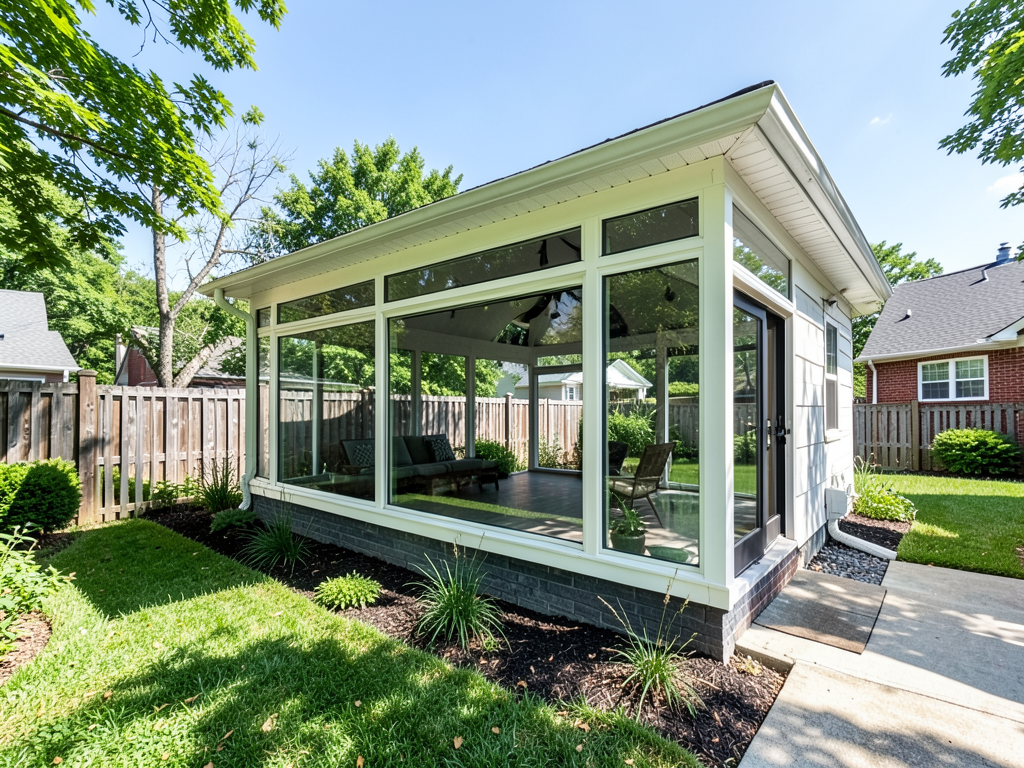
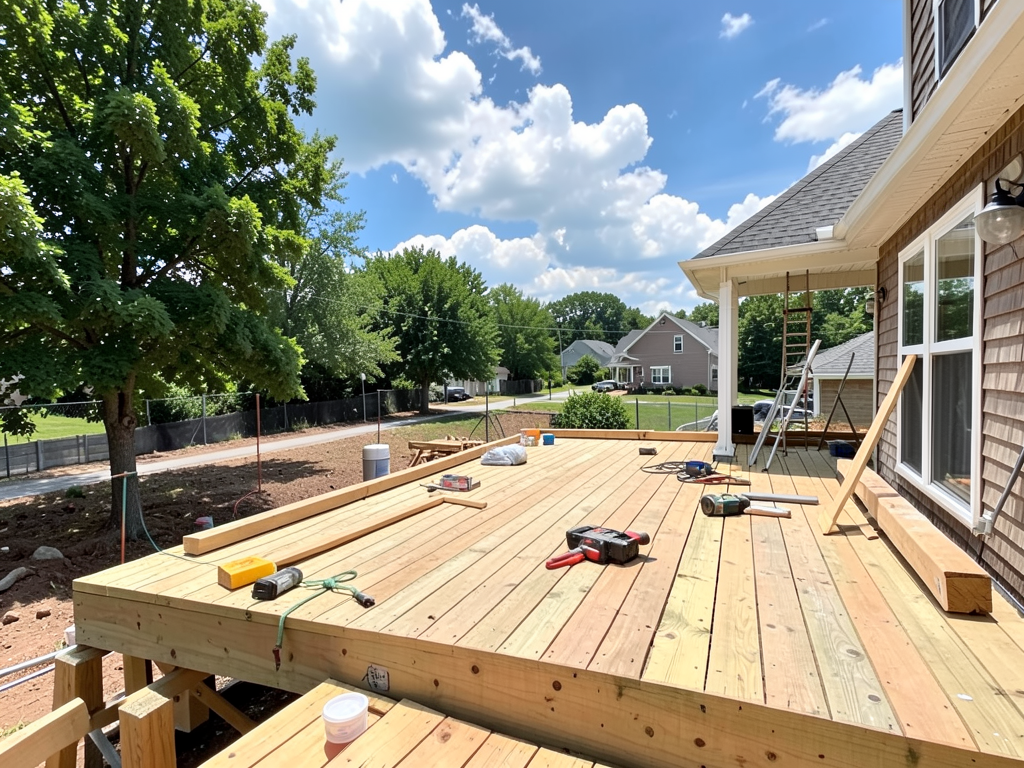
Building a wood deck or screened porch in summer means managing lumber moisture content and planning framing work around storms. Treated lumber arrives with higher moisture levels, and summer humidity slows the drying process. Contractors should allow framing lumber to acclimate before final fastening and avoid installing decking boards during the hottest part of the day, when expansion is at its peak. For screened porches, roofing and screening installation should happen during dry stretches to prevent water damage to unfinished framing. Rand Street builds decks and porches across Charlotte and surrounding areas, and we schedule these projects to minimize weather-related delays.
Concrete Driveways and Patios
Concrete pours require precise timing in summer. High temperatures accelerate the chemical reaction that hardens concrete, leaving less time for finishing work and increasing the risk of surface defects. Contractors pour early in the morning, use ice or chilled water in the mix and apply curing compounds immediately after finishing. Afternoon storms pose a risk to fresh concrete, so weather monitoring is essential. Once the pour is complete, the surface should be kept moist for several days to ensure proper curing. Homeowners in Salisbury, Statesville or Greensboro planning concrete work should discuss timing and weather contingencies during the estimate process.
Roofing Projects
Summer is a busy season for roof replacements, but it is also one of the most challenging. Roofing crews work in direct sun on dark surfaces that can reach temperatures well above 100 degrees. Afternoon storms can halt tear-off work and damage exposed roof decking. Contractors manage these risks by starting work early, covering exposed sections with tarps before storms and scheduling multi-day projects to allow for weather interruptions. Roofing projects in Winston-Salem or other areas with similar summer patterns benefit from flexible scheduling and experienced crews who know when to pause and when to push forward.
Room Additions and Exterior Framing
Room additions that include outdoor framing face the same challenges as deck construction, with the added complexity of integrating new work with existing structures. Summer storms can soak framing before the roof goes on, leading to delays and potential moisture issues. Contractors often phase the work to minimize exposure, completing the roof structure as early in the project as possible. Homeowners planning additions in Matthews, Huntersville or Concord should ask their contractor how they plan to protect the work site and what weather-related delays to expect.
What Homeowners Should Ask Before Starting Summer Outdoor Projects
Choosing the right contractor and asking the right questions up front makes the difference between a smooth project and one plagued by delays and miscommunication.
How Do You Adjust Schedules for Weather?
Ask how the contractor monitors weather, what their policy is for rain delays and whether the timeline includes buffer days. A contractor who dismisses weather concerns or promises unrealistic timelines may lack experience with summer construction challenges.
What Steps Do You Take to Protect Materials?
Find out how the contractor stores lumber, covers unfinished work and handles materials during hot or wet conditions. Proper material management reduces waste and ensures quality results.
What Happens If a Storm Damages the Work Site?
Discuss how the contractor secures the site, what happens if a storm causes damage and whether the estimate accounts for weather-related contingencies. Clear answers to these questions help avoid surprises and financial disputes later.
How Do You Ensure Crew Safety During Heat Waves?
Ask about the contractor's safety protocols for high-heat days, including break schedules, hydration and heat illness prevention. A contractor who prioritizes safety is more likely to deliver consistent, quality work.
Seasonal Tips for Charlotte Homeowners Planning Outdoor Work
Even if your project is months away, understanding seasonal patterns helps you plan smarter and work more effectively with your contractor.
Start Planning in Late Spring
Contractors fill their summer schedules quickly. Homeowners who reach out in April or May have more flexibility in scheduling and can lock in start dates before the busiest weeks of summer. Early planning also allows time for virtual walkthroughs, itemized estimates and permit approvals without feeling rushed.
Be Flexible with Your Timeline
Summer weather is unpredictable. Homeowners who insist on rigid deadlines may force contractors to work in unsafe conditions or compromise quality to meet a fixed date. Building flexibility into the timeline reduces stress and allows the crew to work when conditions are right.
Communicate Early and Often
Stay in regular contact with your contractor throughout the project. If a storm is forecast, ask how it will affect the schedule. If materials arrive damaged or weather causes a delay, discuss next steps before problems compound. Open communication keeps everyone aligned and helps the project move forward smoothly.
Trust Licensed Contractors with Local Experience
Not every contractor understands how to manage outdoor projects in Charlotte's summer climate. Working with a licensed general contractor who has years of local experience ensures that your project benefits from proven methods, realistic scheduling and quality craftsmanship. Rand Street holds NC General Contractor License #79263 and has built outdoor projects across Greater Charlotte since 2004.
Request a Free Estimate for Your Outdoor Project
Whether you are planning a concrete driveway in Gastonia, a screened porch in Huntersville or a deck in Mooresville, Rand Street Professional Builders is ready to help. We provide free, itemized estimates that break down every cost so you know exactly what to expect. Most estimates start with a virtual walkthrough by video or phone, allowing us to understand your goals and site conditions before presenting options and pricing. We respond to inquiries the same day and work with homeowners across Charlotte Metro to deliver outdoor projects that stand up to summer heat, storms and the test of time.
Call (980) 577-3988 or visit https://www.randstreetco.com/book to request your free estimate. Our office is located at 5009 Beatties Ford Road, Suite 107, Charlotte, NC 28216, and we are available Monday through Friday from 10 AM to 5 PM Eastern. Let us help you plan your next outdoor project with realistic timelines, smart scheduling and the local expertise that comes from two decades of building around Charlotte.
Get a Free Estimate
Rand Street Professional Builders serves Charlotte and the wider Greater Charlotte within 1 hour of our office. Call (980) 577-3988 or book online.
Book an Appointment